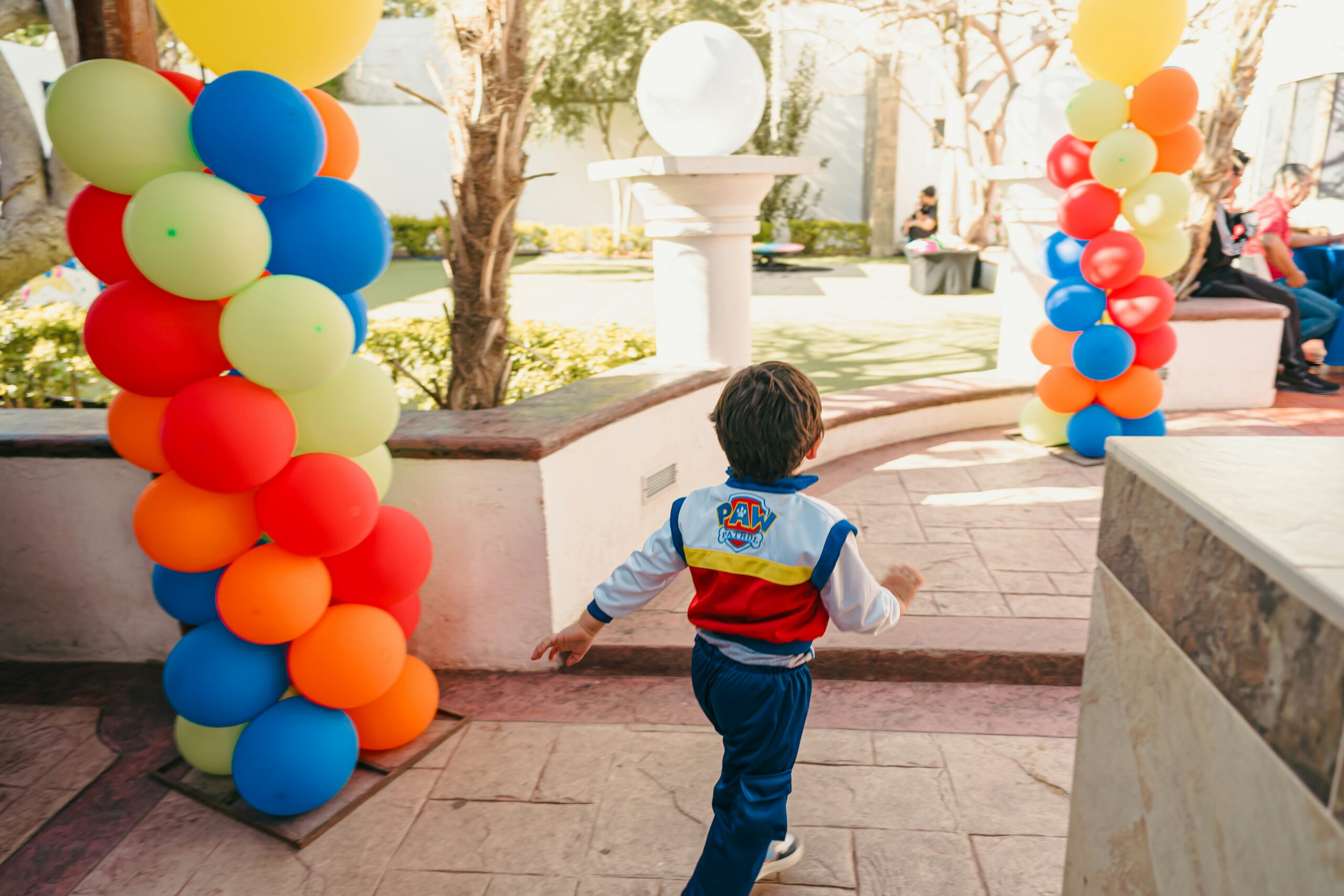
Birthdays and parties are often associated with excitement and celebration. But they can also lead to sensory overload and social pressure, especially for many autistic children.
Loud music, unfamiliar environments and changes to routine can quickly spoil what should be a celebration. With thoughtful planning and realistic expectations, parties can still be meaningful. Here are some easy sensory-friendly ways to approach birthdays and parties that take your child’s needs into account.
Planning with predictability in mind
Some autistic children feel more comfortable when they know what to expect, especially when it comes to events and parties.
If you are hosting a party, consider creating a simple plan of the day. Include details like, who will be there, what activities are planned, and when food will be served.
If your child is attending someone else’s event, asking the host for basic details in advance can help you prepare your child. Talking through the event beforehand is a great way to ease your child into a new or different environment.
Visual schedules, countdowns or simple written plans can reduce anxiety around the unknown and help your child feel more in control.
Managing expectations
There is often an unspoken expectation that birthdays should look a certain way.
There can be pressure to host large gatherings with energetic games in busy venues. But a truly successful celebration feels safe and enjoyable for your child.
Some children may prefer:
- Less people invited
- Shorter parties
- Familiar environments such as home
Try not to compare your parties to what you see online. A quiet afternoon with a few close friends and family members may be far more meaningful than a large, overwhelming event.
Consider sensory needs
Sensory needs can vary from child to child, but bright lights, loud music or crowded spaces can all contribute to overload.
You could:
- Lower the background music at the party
- Avoid flashing lights or balloons that may pop
- Provide familiar or “safe” foods
- Offer noise-cancelling headphones if helpful
These small adjustments can make a big difference to how manageable the environment feels.
Create a quiet space
Having a designated quiet area can help your child take a breather when needed. A calm room with minimal noise for some time out.
Remind your child that taking a break isn’t anything to be ashamed of. Quiet time is a form of regulation, and allowing space for this can help children return to activities feeling calmer and more in control.
After the celebration
Even positive experiences can be tiring. Allowing time to decompress after a party can support your child’s emotional well-being. Ask your child about what would support them.
A final note from Oliver Larholt
Birthdays and celebrations don’t always need to be grand parties like you might see online. For autistic children, comfort and predictability often matter more.
A successful celebration is not defined by how it looks to others, but by how safe and supported your child feels within it.
For more support, you may find the following resources useful: